

 USA
USA
 United Kingdom
 Germany
 Argentina
 Australia
 Canada
 New Zealand
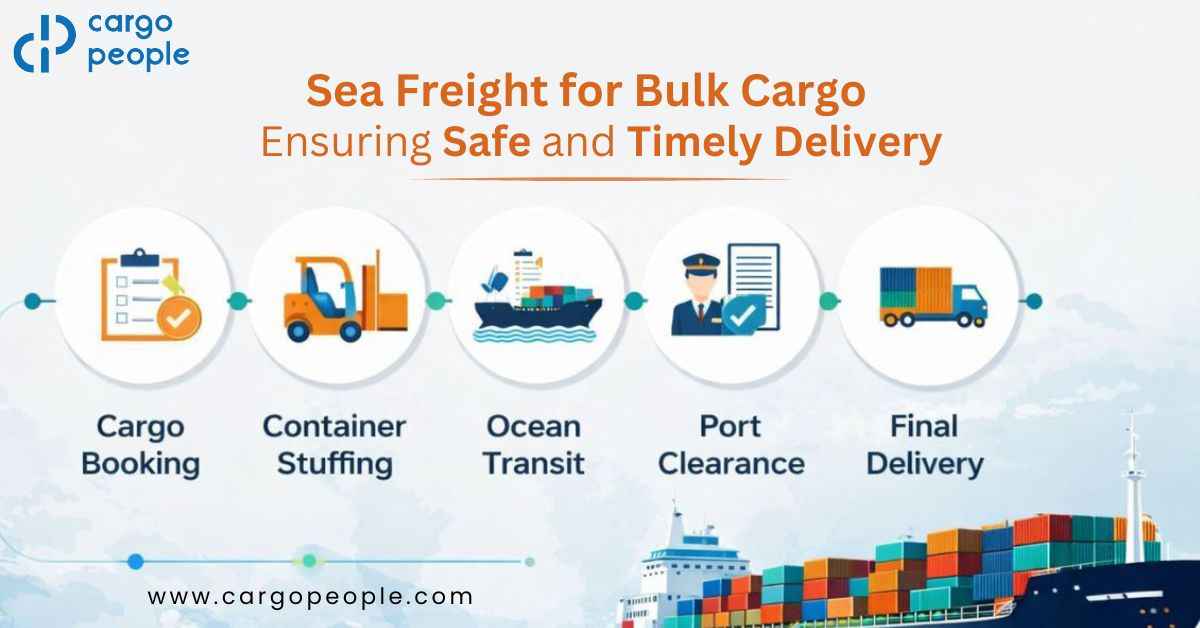
When an Indian engineering exporter planned a bulk shipment of fabricated steel to Europe, everything looked perfect on paper. The cargo was ready, the buyer was confirmed, and the vessel schedule was locked. Yet, a small delay in customs documentation pushed the container to the next sailing — adding ten days to transit and unexpected demurrage costs.
For businesses shipping bulk cargo, sea freight success is rarely about luck. It depends on planning, compliance, port knowledge, and choosing the right logistics strategy. This guide breaks down how Indian importers and exporters can ensure safe, cost-effective, and timely bulk cargo delivery through sea freight.
What Is Sea Freight for Bulk Cargo?
Sea freight for bulk cargo involves transporting large quantities of goods that are heavy, voluminous, or economically unviable for air transport. These shipments form the backbone of India’s export-driven industries such as manufacturing, infrastructure, energy, and agriculture.
Unlike general cargo, bulk shipments demand special handling, accurate documentation, and strong port-level coordination. Even minor oversights can escalate into delays or penalties because bulk cargo occupies significant space and is subject to closer regulatory scrutiny.
From a business perspective, sea freight for bulk cargo helps companies:
-
Control logistics costs for large-volume exports
-
Maintain steady international supply chains
-
Support long-term overseas buyer commitments
-
Plan deliveries with higher predictability
For Indian exporters, sea freight is not just a transport mode — it is a strategic business decision.
Types of Bulk Cargo Shipped via Sea Freight
Understanding the nature of bulk cargo is critical because it directly affects vessel selection, handling methods, safety requirements, and documentation.
Dry Bulk Cargo
Dry bulk cargo includes solid materials transported loose or in large quantities. Common examples include coal, iron ore, cement, grains, fertilizers, sugar, salt, and steel products. These shipments require moisture control, proper weight distribution, and secure stowage to prevent damage during transit.
Liquid Bulk Cargo
Liquid bulk cargo is carried in tankers or specialized containers and includes petroleum products, chemicals, industrial oils, and edible oils. These shipments require strict compliance, accurate hazard classification, and precise documentation, as even small errors can lead to vessel rejection or port detention.
Correct cargo classification ensures smoother port handling and minimizes insurance and safety risks.
Major Indian Ports Handling Bulk Sea Freight
Port selection plays a decisive role in the success of bulk cargo shipments. Each Indian port operates with different strengths, congestion patterns, and cargo-handling capabilities.
Ports commonly preferred for bulk sea freight include:
-
Mundra Port, known for dry bulk, steel, and agricultural commodities
-
Nhava Sheva (JNPT), suitable for containerized bulk and mixed exports
-
Chennai Port, often chosen for engineering goods and heavy machinery
-
Visakhapatnam Port, widely used for minerals, coal, and industrial cargo
Choosing an unsuitable port can increase storage charges, extend dwell time, and cause missed vessel connections. Effective logistics planning begins with port suitability, not just freight cost comparisons.
Sea Freight Modes for Bulk Cargo
Selecting the correct shipping mode is one of the most important decisions in bulk logistics and directly impacts cost, transit time, and cargo safety.
Full Container Load (FCL)
FCL shipments are ideal when cargo volume is sufficient to occupy an entire container. They offer better cargo security, faster customs clearance, and lower handling-related risks.
Less than Container Load (LCL)
LCL is suitable for smaller bulk shipments where sharing container space is cost-effective. However, it often involves longer transit times, additional handling, and higher coordination complexity.
Bulk Vessel or Charter Shipping
For extremely large or unpackaged cargo, chartering a vessel is often the most practical option. This method is commonly used for minerals, project cargo, and infrastructure-related shipments. While cost-efficient at scale, charter shipping demands detailed planning and strong port coordination.
Choosing the wrong mode can quietly increase logistics costs and disrupt delivery schedules.
Compliance and Documentation for Bulk Sea Freight from India
Many bulk cargo delays occur not because of logistics failures, but due to documentation and compliance gaps. Bulk shipments attract closer scrutiny from customs authorities, especially when they involve regulated or hazardous goods.
Key documents typically required include the Bill of Lading, commercial invoice, packing list, shipping bill, certificate of origin, and cargo-specific declarations or approvals.
Accurate documentation helps businesses:
-
Achieve faster customs clearance
-
Reduce inspection frequency
-
Avoid detention and demurrage charges
For bulk exporters, documentation accuracy is as critical as vessel availability.
Common Risks in Bulk Sea Freight and How to Avoid Them
Bulk cargo logistics carry risks that can significantly impact timelines and costs if not addressed early.
Operational risks include port congestion, vessel rollovers, improper cargo securing, and weather-related disruptions. Compliance risks often arise from incorrect HS code classification, misdeclared cargo weight or nature, and missing regulatory approvals.
A common real-world scenario involves cargo detention due to incorrect classification, leading to additional inspections, storage charges, and delayed delivery.
Businesses reduce these risks by conducting pre-shipment compliance checks, aligning cargo declarations with port regulations, and engaging experienced freight forwarders at the planning stage.
How to Ensure Safe and Timely Delivery of Bulk Cargo
Experienced exporters treat sea freight as a structured process rather than a last-minute booking.
Best practices include:
-
Finalizing documentation well before vessel cut-off
-
Monitoring port congestion and sailing schedules
-
Locking freight rates during stable market periods
-
Using cargo-appropriate marine insurance
-
Maintaining clear and continuous communication with logistics partners
Consistent planning is the key difference between predictable deliveries and repeated delays.
Choosing the Right Ocean Logistics Company in India
A capable ocean logistics partner goes beyond booking space on a vessel. They act as a strategic extension of your supply chain.
Businesses should evaluate partners based on their experience with bulk cargo, port and customs coordination strength, pricing transparency, shipment visibility, and proactive problem-solving ability.
The right logistics partner helps businesses avoid hidden costs, meet delivery commitments, and protect long-term buyer relationships.
Conclusion & CTA
Sea freight for bulk cargo remains the most efficient and scalable option for Indian exporters — but only when supported by proper planning and expertise. From port selection to compliance and delivery execution, every decision influences shipment success.
📞 +91 9717465454 | 📧 wecare@cargopeople.com
Book a Consultation with Cargo People Logistics